
OEM vs. Aftermarket Parts: What California Drivers Should Know Before a Repair
Your estimate may list OEM, aftermarket, or recycled parts. Here is what each means, what California rules require, and how to ask for genuine parts.
By the team at Fix Auto Apple Valley ·
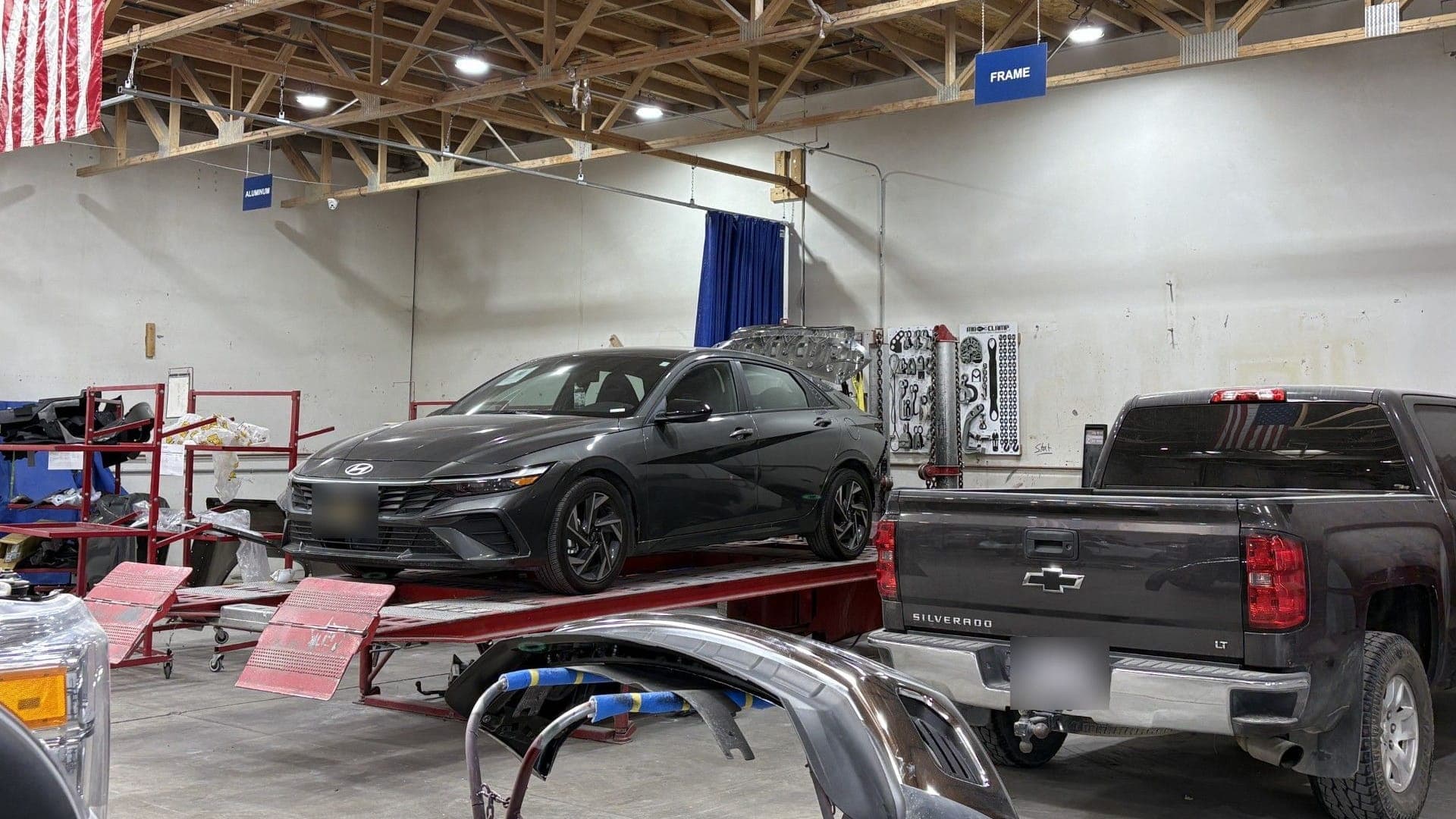
When you look at a repair estimate, you may see abbreviations next to each part: OEM, A/M, LKQ, or "recycled." These choices affect fit, finish, safety, and sometimes cost. Here is what California drivers should know before approving a repair.
The three kinds of parts
- OEM (original equipment manufacturer). Made by or for the company that built your car, the same parts installed at the factory.
- Aftermarket. New parts made by another company to fit your vehicle. Quality varies from very good to poor fit and finish.
- Recycled or used (often listed as LKQ, "like kind and quality"). Genuine OEM parts taken from another vehicle, sometimes repaired or refinished.
Why insurers use non-OEM parts
Aftermarket and recycled parts often cost less, so many policies allow or require them for certain repairs. That is legal in California, with rules attached.
What California rules require
California's fair claims regulations require that non-OEM replacement parts be at least equal to the original in kind, quality, safety, fit, and performance, and that they be clearly identified on the estimate. If a non-OEM part does not fit or perform properly, the insurer is responsible for making it right. In short: you should always be able to see what kind of part is going on your car.
When OEM parts matter most
- Structural and safety parts. Components that manage crash energy or hold sensors should match factory specifications exactly. We never install a part that compromises the safety of a repair.
- Newer vehicles and leases. Lease agreements and new car warranties can have requirements about parts. Check yours.
- Vehicles with sensors and cameras. Brackets and covers that position radar, cameras, or parking sensors need to be precise.
- Manufacturer procedures. Carmakers publish repair procedures, and some specify OEM parts. As a Ford, Honda ProFirst, and Acura certified shop, we follow them. See OEM certified repairs.
How to ask for genuine parts
- Read your policy. Some policies include OEM parts, and some insurers offer an OEM endorsement for new vehicles.
- Ask your shop. We will tell you which parts are OEM, which are not, and what the manufacturer specifies.
- Know you can pay the difference. If your policy only covers aftermarket parts and you want OEM, we can price the difference so you can decide.
- Bring us in early. It is easier to sort out parts before the repair starts.
How we handle parts at Fix Auto Apple Valley
We explain your estimate line by line in plain language, show you what your policy covers and what the manufacturer requires, and work with your insurer when a part needs to be changed. Our insurance claim assistance page explains more.
Common questions
Are aftermarket parts always bad?
No. Some are good quality, especially for non-structural cosmetic parts. Fit and finish vary, which is why we check them carefully and push back when a part is not right.
Will aftermarket parts void my warranty?
Generally, a manufacturer cannot void your whole warranty just because aftermarket parts were used, but a problem caused by a non-OEM part may not be covered. Ask us if you are unsure.
Questions about the parts on your estimate? Text us and we will walk you through it.